

Repairs To Double Glazing
Add a reviewOverview
-
Sectors Automotive Jobs
-
Posted Jobs 0
-
Viewed 3

Company Description
Three Greatest Moments In Door Repair History
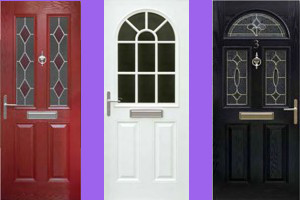
Comprehensive Guide to Door Repair: Issues, Solutions, and Frequently Asked Questions
Doors are essential parts of every home and building, acting as barriers for personal privacy and security while likewise functioning as style elements that improve visual appeals. However, over time, doors can become damaged due to use and tear, ecological elements, or unintentional occurrences. This post serves as a thorough guide to door repair, offering insights into typical issues, methods for fixing them, and answering often asked concerns relating to door maintenance.
Common Door Issues
Numerous problems can arise with doors, ranging from small issues that require simple window Glass repairs to major problems that may demand replacement. Below are some common door problems:
| Door Issue | Description |
|---|---|
| Fractures and Splits | Damage to the surface of the door, typically seen in wood doors. |
| Contorting | A modification in shape due to wetness or modifications in temperature, usually in wood doors. |
| Squeaky Hinges | Loud metal parts that can trigger aggravation. |
| Damage to the Surface | Scratches, dents, or peeling paint that diminishes the door’s look. |
| Misalignment | When the door does not close correctly, can be due to hinge concerns or swelling. |
| Broken Locks or Handles | Inoperative locking mechanisms or loose deals with, compromising security. |
| Spaces and Drafts | Spaces around the door that let in air or pests, typically brought on by bad installation or settling of the building. |
Tools Needed for Door Repair
Before embarking on any door repair project, it is advisable to gather the needed tools. Below is a list of commonly utilized tools in door repair:
- Screwdriver: For tightening or replacing screws on hinges and locks.
- Hammer: To tap in loose panels or elements back into location.
- Wood Glue: To repair fractures and splits in wood doors.
- Sandpaper: For smoothing out rough spots on wooden surfaces.
- Paint or Stain: To bring back the door’s surface after repairs.
- Chisel: For fitting locks or repairing damage around hinges.
- Level: To ensure the door is set up correctly.
Repairing Common Door Problems
1. Dealing With Cracks and Splits
Service:
- Clean the area around the fracture or split.
- Apply wood glue generously into the crack.
- Secure the area to hold it in place while drying. After it dries, sand the area to smooth it out and use paint or stain to match the door.
2. Fixing a Warped Door
Service:
- Remove the door if required.
- Apply heat (through a heat gun or hair dryer) along the distorted section while pressing it back into shape.
- Alternatively, place the door in a hot, humid environment, which can assist to relax the wood fibers.
- If the warp is excessive, think about changing the door.
3. Silencing Squeaky Hinges
Solution:
- Apply a few drops of lubricant (such as WD-40 or silicone spray) onto the hinge.
- Open and close the door to distribute the lube uniformly. Rub out any excess.
4. Repairing Surface Damage
Option:
- For deep scratches, patch the area with wood putty and sand it down once it’s dry.
- Repaint or stain the repaired area to match the surrounding surface area.
5. Realigning Misaligned Doors
Solution:
- Check the hinges for loose screws; tighten any that are loose.
- Change the screws, if essential, or re-install the hinges if misalignment persists.
- If the door is still misaligned, examine the frame and shim it as needed.
6. Repairing Locks and Handles
Option:
- Assess the lock or deal with for loose screws; tighten them first.
- If the lock is jammed or will not turn, consider cleaning it with graphite powder.
- Replacing a broken lock or handle generally includes eliminating old elements and following the manufacturer’s guidelines for installation.
7. Sealing Gaps and Drafts
Solution:
- For gaps around the door, set up weather stripping or apply a proper sealant.
- If the doorframe has settled, you may need to adjust or replace casing to close the spaces.
Preventative Maintenance Tips
To reduce the frequency of repairs and extend the life expectancy of doors, routine maintenance is important. Think about the following tips:
- Regularly Check Hinges: Lubricate them every 6 months to keep them operating efficiently.
- Inspect the Frame: Look for gaps or indications of warping that can compromise the door’s fit and function.
- Keep Doors Clean: Regularly tidy the surface to avoid the buildup of dirt and grime, which can trigger damage gradually.
- Monitor Humidity Levels: Use dehumidifiers in locations prone to high moisture to avoid warping of wood doors.
Regularly Asked Questions (FAQs)
Q1: When should I consider replacing my door instead of repairing it?
A1: Consider replacement if the door is seriously deformed, structurally compromised, or if the damage is comprehensive and frequent repairs are not cost-efficient.
Q2: Can I repair a door myself, or should I hire a professional?
A2: Many door repairs can be completed by somebody with basic DIY skills; nevertheless, complex concerns (like structural damage or comprehensive warping) might gain from professional assistance.
Q3: How can I avoid my doors from squeaking?
A3: Regular lubrication of hinges and ensuring they are effectively set up can avoid squeaking.
Q4: What sort of lubricant should I utilize for hinges?
A4: Light oils, silicone sprays, or devoted lubes like WD-40 can work well for door hinges. Avoid heavy greases as they can bring in dirt.
Q5: How can I inform if my wood door is rotting?
A5: Signs include soft spots, visible mold, and a persistent musty smell. If you observe these, it’s important to deal with the issue immediately.
Door repair is an essential ability for homeowners and residential or commercial property managers. By comprehending typical concerns and using the right methods, most door issues can be dealt with effectively. Regular maintenance not just prolongs the life-span of the doors but also enhances the security and aesthetic appeal of a residential or commercial property. Whether choosing for DIY repairs or looking for professional help, keeping doors is a financial investment worth making for both functionality and style.
