

Cozy Fireplaces
Add a reviewOverview
-
Sectors Health Care
-
Posted Jobs 0
-
Viewed 68

Company Description
Why People Don’t Care About Fireplace USA
Everything You Need to Know About Fireplaces in the USA
As temperature levels drop and the leaves alter color, lots of Americans find convenience in the warmth of a fireplace. This age-old feature has transitioned from a simple source of heat to a focal point for homes and a sign of comfort and relaxation. Whether you’re thinking about installing a brand-new fireplace or just wish to find out more about the various choices available, this detailed guide checks out the various kinds of fireplaces, materials, installation factors to consider, and upkeep ideas for U.S. homeowners.
Types of Fireplaces
Fireplaces can be found in different types, each with different qualities, advantages, and considerations. Below is a table that summarizes the primary kinds of fireplaces typically discovered in the USA.
| Kind of Fireplace | Fuel Source | Pros | Cons |
|---|---|---|---|
| Wood-Burning | Wood | Genuine ambiance, excellent heat output | Needs regular upkeep, less environment-friendly |
| Gas | Gas or propane | Convenience, less upkeep | Requires a gas line, less ambiance than wood |
| Electric | Electrical power | Easy installation, no emissions | Restricted heat output, depends on electrical energy |
| Ethanol | Ethanol | Eco-friendly, no venting needed | Reasonably costly fuel, limited heating ability |
| Pellet | Compressed wood pellets | High effectiveness, renewable fuel source | Needs electrical power to run, more pricey than wood |
Understanding Each Type
Wood-Burning Fireplaces: These traditional fireplaces bring the charm of crackling wood logs. They need a chimney for venting smoke and can provide considerable heat. Nevertheless, they likewise require considerable maintenance, such as cleaning the chimney and keeping fire wood.
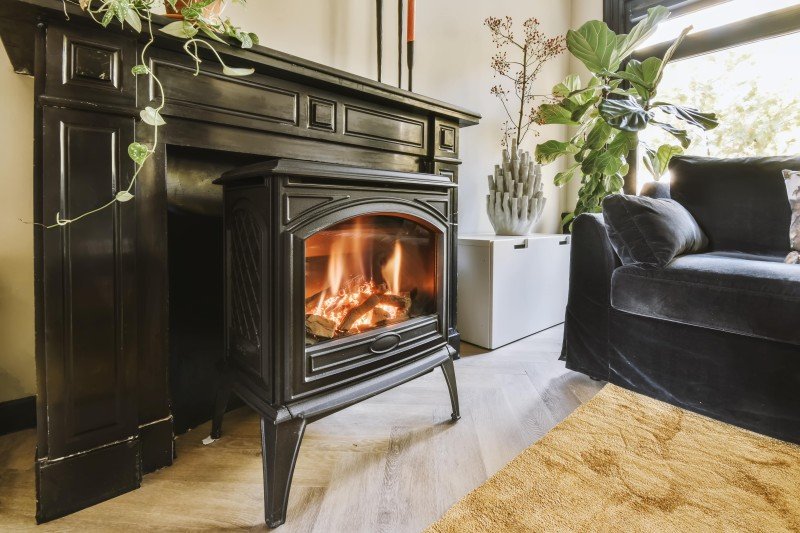
Gas Fireplaces: Gas fireplaces are popular for their convenience. Homeowners can take pleasure in the flickering flames without the hassle of chopping wood or cleansing ashes. They can be vented or ventless and might require a gas line.
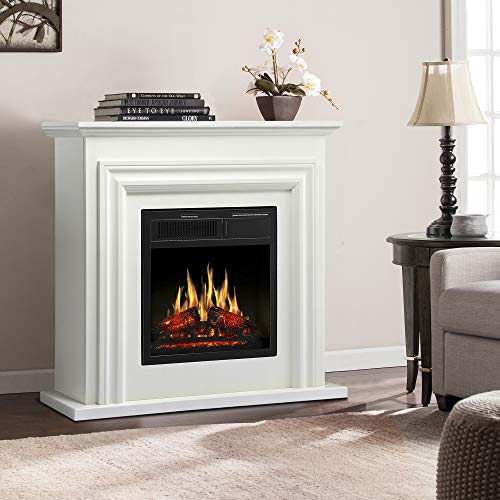
Electric Fireplaces: These fireplaces can be both ornamental and functional. They need no venting and can be easily installed in many spaces, making them a flexible option. However, house owners ought to note that their heating capacity may be limited compared to wood or gas options.
Ethanol Fireplaces: These are considered an eco-friendly alternative as they make use of bioethanol fuel, which is clean-burning and does not produce smoke or soot. They can be freestanding or integrated, using versatility in style.
Pellet Fireplaces: Designed to burn compressed wood pellets, these fireplaces are effective and can produce a substantial amount of heat. They do require electrical power to operate the feeder system, making them more intricate than standard wood-burning setups.
Installation Considerations
When contemplating the installation of a fireplace, it’s necessary to consider numerous aspects:
Local Building Codes: Check regional guidelines regarding fireplace setup, as some locations have specific codes to improve security.
Area: Decide where to position the fireplace. Consider access to a chimney for wood-burning or gas systems and proximity to electric outlets for electric and pellet systems.
Ventilation: Proper ventilation is essential to prevent smoke buildup and make sure the security of the home. Speak with specialists for venting requirements based on the fireplace type.
Aesthetic Value: Fireplaces can be a substantial style feature in a home. Choose a style and material that complements your home’s decoration.
Upkeep Tips
Regular maintenance is crucial for the longevity of any fireplace. Here are some important maintenance pointers:
Annual Inspection: Have a professional inspect the fireplace and chimney each year to recognize concerns early.
Tidy the Chimney: Small Stoves For Sale (Www.Bennetthagerman.Top) wood-burning and gas fireplaces, regular cleaning of the chimney is essential to get rid of creosote accumulation and make sure appropriate ventilation.
Check Seals and Gaskets: Gas and electric fireplaces must have seals inspected frequently to prevent gas leaks or make sure effectiveness.
Clean Surfaces: Regularly tidy glass doors and surrounding locations to keep the appearance and efficiency of the fireplace.
Store Wood Properly: For those using wood-burning fireplaces, store fire wood in a dry area to avoid wetness absorption, which can lead to bad burning efficiency.
Often Asked Questions (FAQs)
1. Are wood-burning fireplaces legal in all states?
Not necessarily. Some states and cities have constraints based on air quality guidelines, especially during particular seasons. It’s vital to inspect local regulations before setup.
2. How do I choose the ideal fireplace for my home?
Think about elements such as your heating needs, visual preferences, budget plan, and the installation website. Additionally, speak with a professional for advice customized to your particular situations.
3. Can electric fireplaces heat up an entire room?
While electric fireplaces can supply additional heat, their output typically isn’t adequate to heat a whole large space effectively. They are best suited for smaller areas.
4. How often should I clean my fireplace?
Usually, it is advised to have actually wood-burning fireplaces cleaned a minimum of as soon as a year, while gas fireplaces might need less regular cleaning, depending upon use.
5. What’s the typical expense of setting up a fireplace?
Installation costs vary significantly based on type. Wood-burning fireplaces can range from ₤ 2,500 to ₤ 10,000, while gas units typically cost in between ₤ 3,000 and ₤ 7,000. Electric and ethanol choices might require lower preliminary investments.
Fireplaces remain a precious function in numerous American homes, integrating performance with aesthetic value. Whether deciding for the beauty of a wood-burning fireplace, the convenience of gas, the ease of electric systems, or the eco-friendliness of ethanol, there’s a fireplace option to match every house owner’s needs and choices. By understanding the types available, installation factors to consider, and upkeep requirements, house owners can make informed decisions that will keep their homes warm and inviting for years to come.
