

Best Victorian Conservatory Installers
Add a reviewOverview
-
Sectors Automotive Jobs
-
Posted Jobs 0
-
Viewed 24

Company Description
9 Lessons Your Parents Taught You About Victorian Home Conservatory
The Victorian Home Conservatory: A Glimpse into Grace and Elegance
In the realm of architecture, the Victorian era stands apart for its capability to mix functionality with visual wonder. Amongst the most valued architectural functions of this period is the conservatory, a space that encapsulates the spirit of nature while providing a sanctuary for leisurely pursuits. This blog site post checks out the significance, design, and features of Victorian home conservatories, providing readers an extensive understanding of their historic context, architectural design, and contemporary importance.
The Historical Significance of Victorian Conservatories
Throughout the Victorian era (1837-1901), the fast advances in technology and industry brought about a newly found appreciation for nature. The introduction of glass production methods permitted the construction of extensive windows and glass structures. This resulted in the production of conservatories, which were at first created for growing exotic plants and flowers. By the mid-19th century, these “orangeries” progressed into areas for leisure and socializing.
Secret Features of Victorian Conservatories
Victorian conservatories are characterized by a number of striking functions that not just improve their aesthetic appeal but also serve practical purposes. Below is a detailed list of these key functions:
| Feature | Description |
|---|---|
| Glass Roof | Provides maximum sunlight for plants and develops an open environment. |
| Ornate Ironwork | Typically consists of detailed wrought iron information and frameworks that include creative flair. |
| Victorian Style | Balustrades, finials, and spires show the fancy architectural style of the era. |
| Integrated Heating | Lots of conservatories had early heating unit to maintain an ideal environment for plants, even in cooler weather condition. |
| Flooring Options | Natural stone, terracotta tiles, or wood floor covering provided a rustic feel. |
| Surrounding Gardens | Usually situated amidst lush gardens, producing a seamless transition in between indoors and outdoors. |
Design Principles of a Victorian Conservatory
Victorian conservatories are frequently examples of beautiful design that wed kind and function. There are several principles that assisted their architectural preparation:
1. Natural Light Utilization
The incorporation of big glass panels enabled for significant daytime to go into the area. This was essential not just for the growth of plants but also for developing an unified and bright living environment.
2. Symmetry and Proportion
Victorian Orangery Specialists architecture frequently highlights symmetry and proportional design, which can be seen in the layout of conservatories. The balanced proportions offer these structures their pleasing visual.
3. Connection with Nature
Victorians had a deep admiration for nature. Therefore, conservatories were designed as transitional spaces, efficiently linking the within the home with the outside garden.
4. Use of Rich Colors and Textures
Inside Victorian conservatories, abundant colors and different textures often imitate those discovered in nature, developing a warm and inviting atmosphere.
| Design Principle | Description |
|---|---|
| Natural Light Utilization | Large glass panels create an airy space. |
| Symmetry and Proportion | Well balanced percentages add visual consistency. |
| Connection with Nature | Acts as a bridge between indoor and outdoor spaces. |
| Rich Colors and Textures | Warm hues and varied products boost convenience. |
Contemporary Relevance of Victorian Conservatories
In the last few years, the charm of Local Victorian Conservatory Installers conservatories has actually seen a renewal. Homeowners and architects have actually acknowledged their potential not only as functional spaces but likewise as beautiful centerpieces in modern-day homes. Here are some modern usages of these conservatories:
1. A Home Office
As remote working ends up being more common, many are changing their conservatories into peaceful, welcoming office that offer views of nature.
2. A Relaxation Space
Victorian conservatories serve wonderfully as individual sanctuaries where individuals can unwind with a book or enjoy a cup of tea.
3. Indoor Gardens
With an increasing interest in sustainable living, numerous property owners are using these areas for indoor gardening, growing herbs, plants, or perhaps small trees.
4. Greenhouses
For gardening lovers, these wonderfully created areas can operate as contemporary greenhouses, nurturing various plant varieties year-round.
| Contemporary Use | Description |
|---|---|
| Home Office | Changing into tranquil offices. |
| Relaxation Space | Supplying a tranquil retreat for leisure activities. |
| Indoor Gardens | Cultivating herbs and plants in indoor environments. |
| Greenhouses | For year-round horticultural jobs. |
Regularly Asked Questions (FAQ)
1. What is the origin of Victorian conservatories?
Victorian conservatories come from during the 19th century as areas for cultivating unique plants. While at first practical, they developed to accommodate celebrations and pastime.
2. Are Victorian conservatories appropriate for modern homes?
Definitely! Victorian conservatories include character and appeal to contemporary homes. With thoughtful integration into the overall design, they can improve a home’s visual while serving functional purposes.
3. What products are normally utilized for constructing a Victorian conservatory?
Typical products consist of glass, iron or aluminum structures, and natural stone or tiled flooring. Many contemporary constructions also include environmentally friendly products.
4. Do Victorian conservatories require special upkeep?
While maintenance is necessary to protect both the glass and the supporting structures, the level of upkeep can differ. Regular cleansing of the glass surface and examinations of the iron or aluminum structure are suggested.
5. Can I heat up a Victorian conservatory?
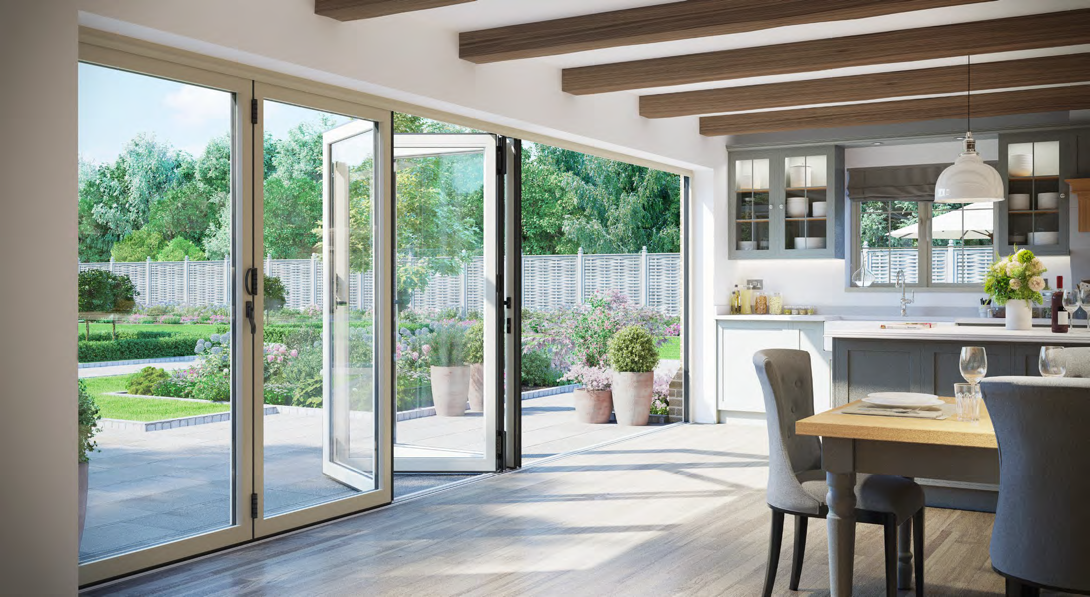
Yes, numerous Victorian home conservatory conservatories can be equipped with modern-day heating options, enabling them to be used conveniently year-round.
Victorian home conservatories are really splendid structures that flawlessly mix indoor and outside experiences while reflecting a bygone era’s beauty. Their styles stay appropriate today, showing that the beauty of Victorian architecture transcends time. Whether as an office, a relaxation nook, or an indoor garden, the Victorian Orangery Installers conservatory supplies a captivating escape that embodies both grace and performance. For those aiming to add character and tranquility to their homes, the attraction of a Victorian Greenhouse Installers conservatory is indeed an ageless option.
