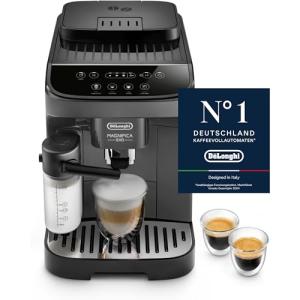
Coffee Machine
Add a reviewOverview
-
Posted Jobs 0
-
Viewed 73

Company Description
What’s The Job Market For Professional Espresso Machine Professionals?
The Complete Guide to Professional Espresso Machines
Espresso machines exemplify the passion for coffee, merging art and science to produce a gratifying beverage experience. From dynamic coffeehouse to upscale restaurants, these machines play a vital function in producing abundant, concentrated coffee shots. This post intends to supply an in-depth understanding of professional espresso machines, covering their types, performances, maintenance, and answers to frequently asked concerns.
Tabulation
- Summary of Professional Espresso Machines
- Types of Professional Espresso Coffee Machines Machines
- 2.1. Manual Espresso Machines
- 2.2. Semi-Automatic Espresso Machines
- 2.3. Automatic Espresso Machines
- 2.4. Super-Automatic Espresso Machine With Dual Shot Machines
- Secret Features to Consider
- Maintenance Tips for Longevity
- Frequently Asked Questions
- Conclusion
1. Summary of Professional Espresso Machines
Professional espresso machines are effective equipment created to extract espresso efficiently while making sure consistency and quality. Unlike home machines, these systems are built for high-volume use, frequently with advanced features to accommodate innovative developing techniques.
2. Types of Professional Espresso Machines
Choosing the best kind of espresso machine depends significantly on the requirements of the facility. Below is a breakdown of the various types available in the market.
| Type | Description | Suitable For |
|---|---|---|
| Manual Espresso Machines | Requires barista ability; users manually control the extraction procedure. | Artisan coffee bar and enthusiasts. |
| Semi-Automatic Machines | Offers some automation; users manage water circulation. | The majority of coffee shops and restaurants. |
| Automatic Machines | Automatically controls water amount; user sets dosage. | Hectic cafes or facilities. |
| Super-Automatic Machines | Completely automated, grinding, brewing, and cleaning with a tap. | High-volume settings with very little personnel. |
2.1. Manual Espresso Machines
Manual espresso machines are classic and popular amongst perfectionists who enjoy fine-tuning the espresso-brewing procedure. It requires significant skill, as the operator needs to manually manage the water circulation and pressure.
2.2. Semi-Automatic Espresso Machines
Semi-automatic machines are the most widely utilized in coffee shops and coffee bar. They offer user control over the water circulation, enabling baristas to create consistently good espresso shots while still having control over brewing variables.
2.3. Automatic Espresso Machines
In automatic machines, the developing process is automated. The machine fills the needed water quantity for each shot, enabling high performance in hectic environments. Although it provides less flexibility in developing techniques, the consistency is unrivaled.
2.4. Super-Automatic Espresso Machines
Super-automatic machines take convenience to the next level by managing every action of the coffee-making process. From grinding the beans to frothing the milk, these machines are ideal for high-volume cafes where speed and efficiency are paramount.
3. Key Features to Consider
When buying a professional espresso machine, it’s necessary to think about the following features:
| Feature | Significance |
|---|---|
| Boiler Type | Single boiler vs. dual boiler. Dual boilers permit developing and steaming at the same time. |
| Group Heads | Multi-group heads cater to several beverages simultaneously, increasing efficiency. |
| Pressure Control | Consistent pressure is essential for quality extraction. |
| Steam Wand | Quality frothing abilities for milk-based drinks. |
| Ease of Cleaning | Removable parts can conserve time on maintenance and make sure health. |
| Durability | Look for durable materials that will stand up to consistent use. |
| Size | Need to fit the designated space while accommodating user requirements. |
4. Maintenance Tips for Longevity
Preserving a professional espresso machine is important for ensuring longevity and optimal performance. Here are some vital upkeep tips:
- Daily Cleaning: Clean the group heads and portafilters to get rid of coffee oils and residues.
- Weekly Backflush: Use a blind filter to backflush the machine, keeping the internals tidy.
- Descale Regularly: Pinto your machine’s standards for descaling frequency depending upon your water solidity.
- Check Seals and Gaskets: Replace used parts to prevent leakages and preserve pressure.
- Check Water Quality: Use filtered water to decrease mineral buildup that can damage the machine.
- Professional Maintenance: Schedule professional servicing to ensure all systems run successfully.
5. Frequently Asked Questions
Q1: How much does a professional espresso machine cost?A1: The cost of a professional Modern Espresso Machine machine can vary from ₤ 2,000 to over ₤ 20,000, depending upon the type, brand, and features. Q2: What is the very best machine for
a small coffee shop?A2: Semi-automatic machines are frequently best
for small coffee shops because they strike a balance in between control and ease of use. Q3: How long do professional espresso machines last?A3: With proper upkeep, a professional espresso machine can last
anywhere from 5 to 15 years. Q4: What kind of training does a barista requirement to run an espresso machine?A4: Baristas must learnthe technical elements of espresso extraction, milk frothing, and basic machine maintenance. Q5: Are super-Automatic Espresso Machine With Grinder machines worth the investment?A5: For high-volume establishments with restricted personnel, super-automatic machines can drastically
minimize labor while guaranteeing constant quality. 6. Conclusion Purchasing a professional espresso machine is crucial for any coffee service aiming to provide high-quality beverages. Comprehending the types offered, together with their functions and
upkeep needs, can help entrepreneur make informed decisions. Whether bringing artisanal abilities to the leading edge or relying on automation, selecting the best espresso machine can significantly affect the total coffee experience. With the right equipment, anyone can brew scrumptious coffee that delights consumers and keeps them returning for more.