Ramps For Wheelchair
Add a reviewOverview
-
Sectors Customer support
-
Posted Jobs 0
-
Viewed 3

Company Description
Why Mobility Ramps Is Still Relevant In 2025
Mobility Ramps for Homes: Enhancing Accessibility and Independence
As society continues to develop towards inclusivity and ease of access, mobility ramps have ended up being vital components in many homes. These ramps not just supply a means of entry for people with mobility challenges but likewise promote independence, security, and convenience. This article explores the numerous aspects of mobility ramps for homes, guiding homeowners through their types, advantages, setup factors to consider, maintenance, and often asked questions.
Comprehending Mobility Ramps
Mobility ramps are developed to help with the movement of individuals utilizing wheelchairs, scooters, or other mobility help. They allow simpler access to homes, garages, and exit points without the requirement for considerable physical exertion or assistance.

Key Benefits of Mobility Ramps
Independence: Mobility ramps empower people to go into and leave their homes without counting on help, fostering a sense of self-reliance.
Safety: A correct ramp decreases the risk of falls and injuries that can happen when steering stairs.
Adaptability: These ramps can be built for numerous environments and can be temporary or long-term services.
Home Value: Installing a mobility ramp can increase the general value of a home as it promotes inclusivity.
Alleviate of Use: Designed for a variety of mobility levels, ramps accommodate wheelchairs, walkers, and people with limited mobility.
Kinds Of Mobility Ramps
Picking the best Mobility Ramps For Home (norbertoleno.Top) ramp depends on specific needs, physical area, and budget. Here’s an in-depth comparison of typical kinds of mobility ramps:
| Ramp Type | Description | Pros | Cons |
|---|---|---|---|
| Portable Ramps | Lightweight, quickly transportable ramps, typically made from aluminum. | Easy to store and move, ideal for temporary requirements. | Minimal weight capacity, might not appropriate for permanent use. |
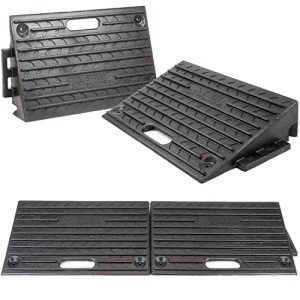
| Limit Ramps | Brief ramps developed to bridge entryways or doorways. | Basic installation, beneficial for small height distinctions. | Not perfect for bigger stairs or steep slopes. |
| Permanent Ramps | Built from wood, aluminum, or concrete, these ramps are implied for long-lasting usage. | Tough and durable, customizable to different lengths and heights. | More costly and may require planning/building licenses. |
| Folding Ramps | Ramps that can fold for easy transportation or storage. | Storable and great for several usages. | Possibly less steady than permanent alternatives. |
| Modular Ramps | Pre-fabricated areas that can be put together to develop a custom ramp design. | Easy to set up and rearrange, versatile to different areas. | May have a greater upfront expense compared to other ramps. |
Setup Considerations
Prior to including a mobility ramp to a home, numerous elements need to be thought about to ensure optimal performance and safety:
Space Assessment: Measure the location where the ramp will be installed, accounting for existing structures and paths.
Building Codes: Familiarize yourself with regional building regulations and policies to make sure compliance, especially for irreversible ramps.
Slope Ratio: The Americans with Disabilities Act (ADA) advises a slope ratio of 1:12 for wheelchairs. This indicates for each inch of vertical increase, there should be at least 12 inches of ramp run.
Product Selection: Choose a product that is resilient and weather-resistant to extend the ramp’s life expectancy.
Surface Texture: Ensure the ramp has a non-slip surface to minimize the risk of mishaps, especially in severe weather condition.
Handrails: Consider setting up hand rails for additional support, particularly on longer ramps or those with steeper slopes.
Upkeep of Mobility Ramps
Maintaining mobility ramps is essential for making sure safety and durability. Here are some ideas:
Regular Inspections: Inspect the ramp often for damage, wear, or loose bolts that may affect stability.
Cleaning up: Keep the ramp clear of particles, such as leaves and snow, to prevent slipping risks.
Surface area Repair: Address any surface concerns, such as splitting or splintering, in wooden ramps without delay.
Repaint if Necessary: For metal ramps, repainting can assist prevent rust and deterioration.
Inspect Handrails: Ensure handrails are securely secured and can support weight when needed.
Frequently Asked Questions (FAQ)
1. Do I require an authorization to set up a mobility ramp?
Yes, depending upon local guidelines, an authorization may be needed, especially for long-term ramps. It’s a good idea to talk to your regional structure authority.
2. How much does a mobility ramp expense?
The expense of mobility ramps differs widely based upon the type, materials, and setup requirements. Portable ramps can start at a couple of hundred dollars, while irreversible ramps can range from ₤ 1,000 to ₤ 5,000 or more.
3. Can I set up a ramp myself?
While some portable ramps are simple to install, irreversible ramps typically need expert installation to guarantee safety and compliance with structure codes.
4. How do I identify the best slope for my ramp?
Follow the ADA guidelines of a 1:12 slope ratio for wheelchairs. Furthermore, think about the particular requirements of the user and the area offered.
5. What products are best for outdoor ramps?
Aluminum, dealt with wood, and concrete are popular options for outside ramps due to their sturdiness and resistance to climate condition.
6. Are there insurance coverage benefits for setting up mobility ramps?
Some insurance plan may cover mobility modifications, including ramps. Always consult your insurance supplier for protection details.
In conclusion, mobility ramps represent an essential part of home ease of access, promoting self-reliance, safety, and inclusiveness. By understanding the various types offered, considering setup requirements, maintaining them effectively, and looking for answers to common concerns, property owners can guarantee a supportive environment for those with mobility obstacles. Making the best options regarding mobility ramps can substantially boost the quality of life for individuals and their families.