

Extractor Hoods For Kitchens
Add a reviewOverview
-
Sectors Telecommunications
-
Posted Jobs 0
-
Viewed 5

Company Description
See What Island Cooker Hood Tricks The Celebs Are Utilizing
Exploring the Benefits and Features of Island Cooker Hoods
In today’s modern kitchen, performance and design go hand-in-hand. Among the standout includes that can elevate the visual appeals and effectiveness of any kitchen is the island cooker hood. As kitchens continue to evolve into open-concept areas, the significance of efficient ventilation has actually risen. This post looks into the different elements of island cooker hoods, assisting property owners make notified decisions about this necessary appliance.
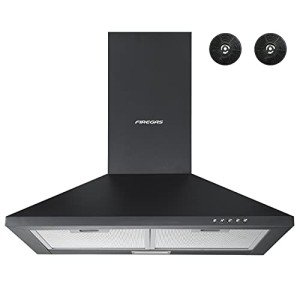
What is an Island Cooker Hood?
An island cooker hood, also understood as a ceiling-mounted range hood, is particularly developed to be set up above an island or a cooking surface area that is not adjacent to a wall. Unlike conventional wall-mounted hoods, island hoods supply unblocked ventilation and produce a focal point in the kitchen, weding kind and function.
Advantages of Island Cooker Hoods
1. Improved Airflow
Island cooker hoods are crafted for optimum air circulation. They effectively eliminate smoke, steam, and smells created while cooking, making sure a fresh and enjoyable cooking environment.
2. Visual Appeal
With numerous designs, finishes, and sizes readily available, these hoods can substantially enhance the visual beauty of a kitchen. They function as a focal point, often complementing the overall design of the area.
3. Increased Cooking Space
By eliminating the requirement for wall area, island cooker hoods permit higher flexibility in kitchen style. This can facilitate a smooth cooking experience, particularly in homes where several chefs may exist.
4. Adaptability
Island cookers are offered in a wide variety of designs and performances, from modern stainless steel to vintage-inspired designs. Lots of designs come geared up with additional functions like lighting and variable fan speeds for customization based upon cooking needs.
Types of Island Cooker Hoods
When choosing an island cooker hood, it’s vital to consider the various types offered. Here is a detailed table to highlight the various choices:
| Type of Island Cooker Hood (www.mertieariza.top) | Description | Pros | Cons |
|---|---|---|---|
| Ducted | Uses external ducting to expel air exterior. | Effective smell and smoke removal. | Higher setup expense. |
| Ductless | Filters air and recirculates it back into the kitchen. | Easier to install. | May not be as effective for heavy cooking. |
| Convertible | Can be altered from ducted to ductless and vice versa. | Versatile installation choices. | Requires additional elements. |
| Wall-Mounted | Installed on a wall, however still readily available as an island option. | Can save area. | Limited to particular kitchen layouts. |
| Integrated | Constructed into the cabinetry for a seamless appearance. | Minimalist design appeal. | May have lower efficiency. |
Selecting the Right Island Cooker Hood
Selecting the ideal island cooker hood for a kitchen involves thinking about numerous elements. Here are some crucial pointers to assist property owners:
Size: The hood should be at least as large as the cooktop listed below it, ideally extending a few inches beyond the edges. Standards suggest 24 inches of hood width for a basic 30-inch cooktop.
Suction Power: Measured in cubic feet per minute (CFM), the hood’s power need to align with the cooking frequency and approaches utilized. For much heavier cooking, a CFM of 600 or more is suggested.
Style: Consider the kitchen design and materials. The hood should match existing aspects for a cohesive appearance.
Noise Level: Look for hoods with lower sones (a procedure of sound) for quieter operation, particularly for those who prepare often.
Filters: Choose in between baffle, mesh, or charcoal filters depending upon ducted or ductless setups. Baffle filters tend to be more long lasting and efficient for heavy cooking.
Frequently Asked Question About Island Cooker Hoods
Q1: How do I clean my island cooker hood?A: Cleaning depends on the type of filters used. Most baffle filters can be cleaned in a dishwasher, while mesh filters need to be soaked in soapy water. Regular cleansing(each month)is a good idea to keep performance. Q2: Can an island cooker hood be set up in
a lower ceiling?A: Yes, however it’s important to select a more compact design to avoid
obstructing sight lines. The hood must be installed a minimum of 30-36 inches above the cooking surface area for security and performance. Q3: Are all island cooker hoods loud?A: No, producers have actually made advancements in sound dampening innovation. Hoods vary in noise levels, so it’s necessary to
check the requirements before purchasing. Q4: How typically ought to I change the filters?A: The frequency of filter replacement varies based on use. Charcoal filters typically require changing every 3-6 months,
while metal filters can last several years if correctly cleaned up. Q5: Do island cooker hoods need expert installation?A: While DIY setup is possible for some models, expert setup is suggested to make sure appropriate fitting and ventilation, especially for ducted systems. In
conclusion, island cooker hoods are a trendy and practical service to maintaining a fresh cooking environment in open-concept kitchens. Their multitude of designs, integrated with efficient functionality, makes them a desirable option for property owners. By taking into account the different aspects such as size, suction power, and aesthetics, people can find the ideal match for their area, ultimately enhancing both the kitchen’s look and its operational performance. Buying a premium island cooker hood will not just improve the cooking experience but likewise include significant value to the kitchen’s overall appeal. As kitchens continue to serve as the heart of the home, correct ventilation remains a top priority.
